HomeBuyer Survey vs Building Survey: Which Do You Need?
A HomeBuyer Report or a full Building Survey? Understanding the RICS survey levels — and why a mortgage valuation is not a survey — could save you thousands. Here is how to choose the right one for your home.
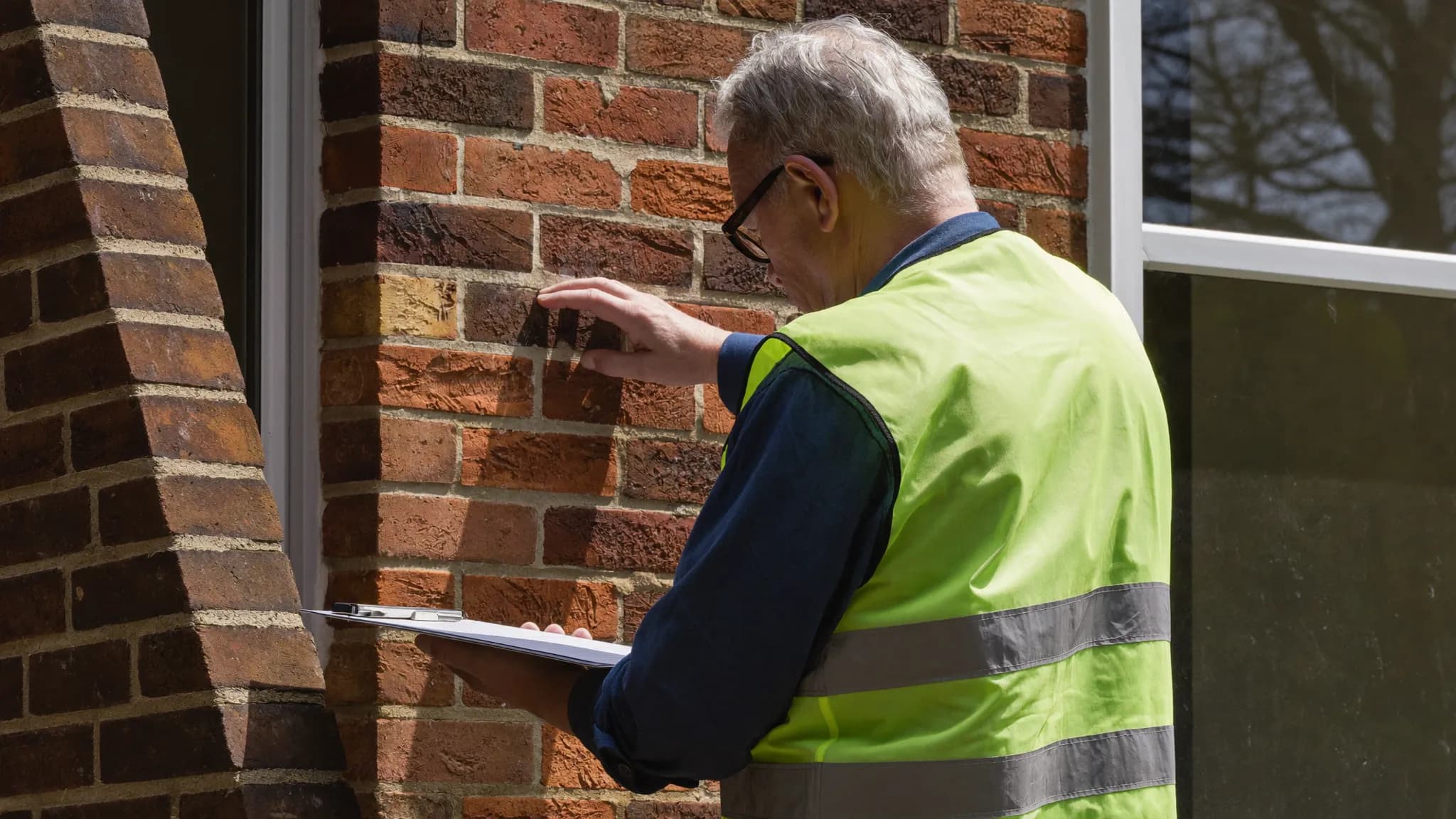
When you buy a home, a survey is your independent health check on the building — and choosing the right level matters. The two you will hear about most are the RICS Home Survey Level 2 (the HomeBuyer Report) and the Level 3 (the full Building or Structural Survey). In short: a Level 2 suits most conventional homes in reasonable condition, while a Level 3 is for older, unusual or run-down properties and anything you plan to renovate. Crucially, the mortgage valuation your lender runs is not a survey at all. This guide explains the RICS levels, what each covers, what they cost, and how to pick.
Do I need a survey when buying a house?
You are not legally required to have a survey, but going without one is a gamble that can cost far more than the survey ever would. A survey is your only independent, professional assessment of the property's condition before you commit hundreds of thousands of pounds. It can reveal damp, structural movement, a failing roof, dodgy wiring or a leaking bathroom — problems the seller may not know about or may not mention. If it finds something serious, you can renegotiate the price, ask the seller to fix it, or walk away before you are legally bound at exchange.
The three RICS Home Survey levels
In the UK, residential surveys follow the Royal Institution of Chartered Surveyors (RICS) Home Survey standard, which sets three levels of detail. Picking the right level is about matching the depth of the inspection to the age, type and condition of the property you are buying.
- Level 1 (Condition Report) — the most basic survey, giving a simple condition rating for each element with no advice or valuation; suitable only for new-build or modern homes in clearly good condition
- Level 2 (HomeBuyer Report) — the most common choice for conventional homes in reasonable condition; a fuller inspection that flags problems, urgent defects and, in some versions, a market valuation
- Level 3 (Building or Structural Survey) — the most thorough survey, examining the construction and condition in detail with advice on defects, repairs and maintenance; best for older, larger, unusual or run-down homes and renovation projects
HomeBuyer Report (Level 2) explained
The HomeBuyer Report is the workhorse survey and the right choice for the majority of first-time buyers. It covers a standard, reasonably modern property in acceptable condition — a typical post-war house or flat, for example. The surveyor inspects everything that is readily visible and accessible, then reports on the condition using a traffic-light rating system, highlighting defects that need attention, problems that could affect the value, and issues to raise with your legal adviser. Some HomeBuyer Reports also include a market valuation and an insurance rebuild figure.
What it does not do is lift floorboards, move heavy furniture, or investigate hidden structural elements in depth. It is a visual condition survey, not an invasive one. For a straightforward home that is clearly well maintained, that is exactly the level of assurance most buyers need.
The report itself is designed to be readable rather than technical. Most HomeBuyer Reports use a clear traffic-light system — green for no concern, amber for a defect that needs attention but is not urgent, and red for a serious or urgent problem — so you can see at a glance where the property stands. That format makes it easy to spot which findings are worth raising with the seller and which are simply routine maintenance that comes with any home. If any red items appear, they are exactly the sort of thing you can use to renegotiate before you exchange.
Full Building Survey (Level 3) explained
The Building Survey, sometimes called a full structural survey, is the most comprehensive option. The surveyor carries out a detailed inspection of the structure and fabric of the building, explains the likely cause of any defects, advises on repairs and their urgency, and sets out the potential consequences of not acting. It is the survey to choose for period and listed properties, homes built with unusual materials or methods, buildings that have been extensively altered, anything visibly neglected, and any property you intend to renovate or extend.
Because it goes deeper and produces a longer, more analytical report, a Building Survey costs more and takes longer than a HomeBuyer Report. For an older or higher-risk property, though, the extra detail can pay for itself many times over by uncovering problems that would be ruinously expensive to discover after you have bought.
Why a mortgage valuation is not a survey
This is the single most important thing for a first-time buyer to understand. When you apply for a mortgage, the lender arranges a valuation — but that valuation exists purely to reassure the lender that the property is worth roughly what they are lending against it. It is a quick, often drive-by or desktop check, carried out for the lender's benefit, not yours. It will not tell you whether the roof is failing, the walls are damp, or the extension has no building regulations sign-off.
“A mortgage valuation protects the lender's money, not your interests. Never treat it as a survey — commissioning your own independent survey is a separate, deliberate step you take to protect yourself.”
Factor your survey and other moving costs into your budget before you offer, so there are no surprises.
Search propertiesHow much does a survey cost?
Survey costs vary with the level of survey, the size and value of the property, and where in the UK it is. As a rough guide, a Level 2 HomeBuyer Report typically costs several hundred pounds, while a Level 3 Building Survey usually costs meaningfully more because of the depth of inspection and analysis involved. Always get quotes from more than one RICS-regulated surveyor, and check exactly what is and is not included before you book. Set the cost against the property price: a few hundred pounds spent now can save tens of thousands later.
Remember that the survey is only one of several upfront costs when you buy. Budgeting for it alongside your conveyancing fees, searches, mortgage arrangement fees and removals keeps your finances realistic and stops the survey feeling like an unwelcome extra.
What to do when a survey finds a problem
Finding a defect is not a disaster — it is the survey doing its job. When your report flags something significant, resist the urge to panic or to walk away immediately. Instead, read the surveyor's advice on how serious the issue is and what it might cost to put right, and where the report recommends it, get a specialist quote for the repair. Damp, roof problems, dated wiring and old central heating are common findings on ordinary homes and are usually fixable at a known cost, so the real question is who pays for that work.
Armed with a clear picture, you have three sensible options. You can ask the seller to reduce the price to reflect the cost of the repairs, you can ask them to carry out the work before you complete, or — if the problem is severe and the numbers no longer add up — you can withdraw before exchange, when you are still free to do so. A good survey turns a nasty surprise into a negotiation you can win, which is precisely why paying for the right level of survey is money well spent.
Add up conveyancing, survey, removals and the other upfront costs with our free moving cost estimator.
Estimate my moving costsWhich survey should I choose?
Match the survey to the property. For a modern or conventional home in clearly good condition, a Level 2 HomeBuyer Report gives most first-time buyers the assurance they need. For anything older, larger, unusual, visibly neglected, or that you plan to renovate, step up to a Level 3 Building Survey. Only consider a Level 1 Condition Report for a new build or an obviously sound modern home where you simply want a basic condition check. When in doubt, a chartered surveyor will happily advise which level fits the specific property before you commit.
Frequently asked questions
Do I really need a survey when buying a house?
It is not a legal requirement, but skipping one is risky. A survey is your only independent check on the property's condition before exchange, and it can reveal costly defects like damp, structural movement or a failing roof — letting you renegotiate, ask for repairs, or walk away.
What is the difference between a HomeBuyer Report and a Building Survey?
A HomeBuyer Report (RICS Level 2) is a visual condition survey suited to conventional homes in reasonable shape. A Building Survey (Level 3) is a deeper, more detailed inspection for older, unusual, neglected or renovation properties, with fuller advice on defects and repairs.
Is a mortgage valuation the same as a survey?
No. A mortgage valuation is a quick check carried out for the lender to confirm the property is worth what they are lending. It protects the lender, not you, and will not flag defects. You need to commission your own independent survey separately.
How much does a house survey cost?
It depends on the survey level and the property's size, value and location. A Level 2 HomeBuyer Report typically runs to several hundred pounds, while a Level 3 Building Survey costs meaningfully more. Always compare quotes from RICS-regulated surveyors before booking.
Which survey should I get for an old house?
For a period, listed, or older property, or one built with unusual materials or heavily altered, choose a Level 3 Building Survey. Its detailed inspection uncovers structural and condition problems that a lighter survey would miss, which matters most with older homes.
This guide is for informational purposes only and does not constitute financial or legal advice. Survey scope, costs and suitability vary by property and provider — always speak to a qualified RICS surveyor or your conveyancer before making decisions.
Rachel writes about home improvements, energy performance, and the design decisions that add value and make a property easier to sell.