New Build vs Old House: Which Should You Buy? (2026)
Warranties, energy bills, chain-free moves and snagging versus character, space and established streets — a clear-eyed comparison for first-time buyers weighing new build against an older home.
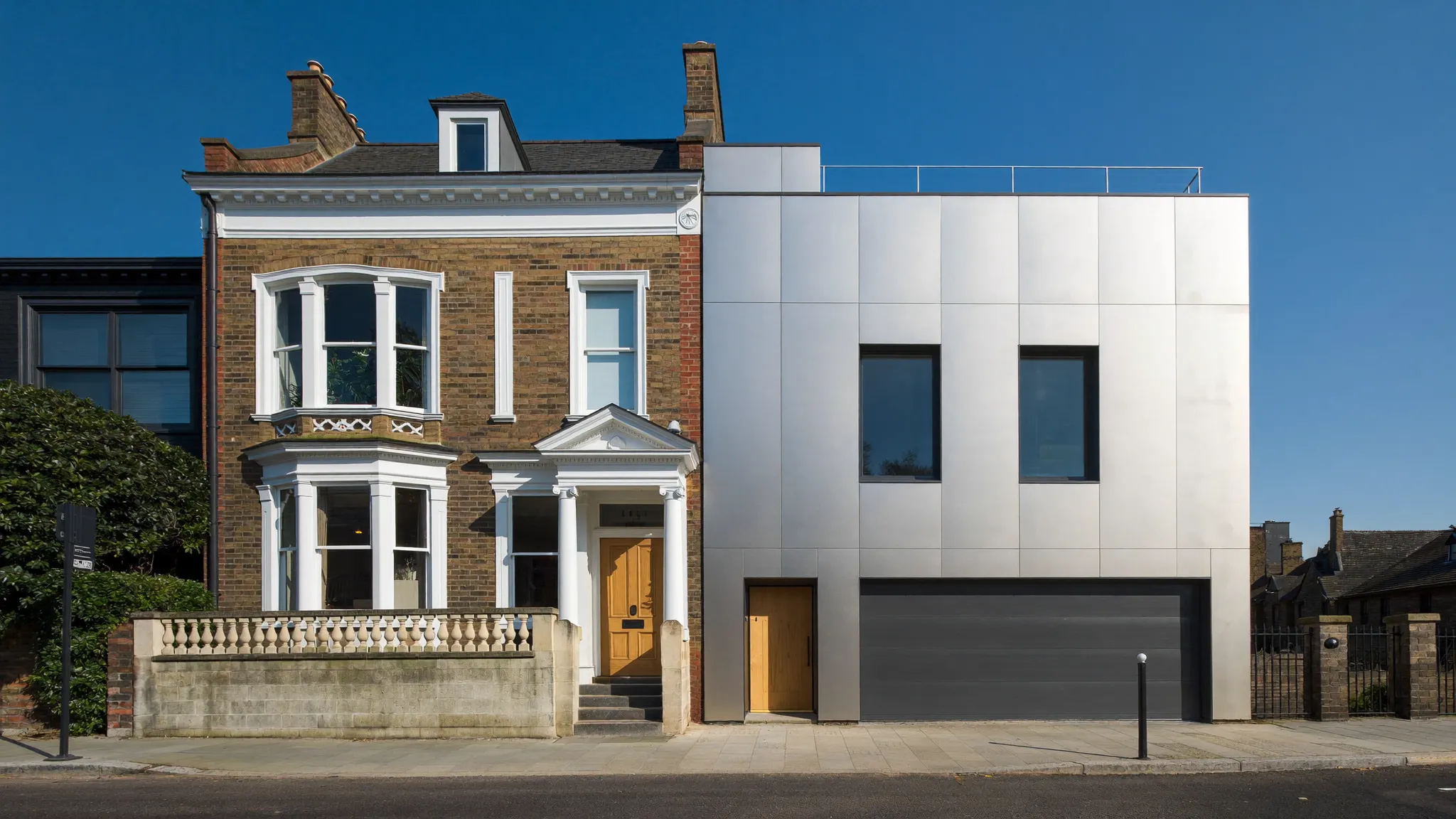
Should your first home be a brand-new build or an older, established house? It is one of the most common crossroads for first-time buyers, and there is no single right answer — it depends on what you value. In short: a new build gives you a warranty, low energy bills, a chain-free move and nothing to fix, but you pay a premium and often get smaller rooms; an older home offers more space, character and settled neighbourhoods for your money, but comes with maintenance and the risk of hidden problems a survey must uncover. This guide compares the two head to head so you can decide with your eyes open.
The new build vs old house decision comes down to a trade-off between convenience and running costs on one side, and space, character and value on the other. Below we weigh warranties, energy efficiency, price, snagging, chains, resale — and answer the question buyers always ask: do I need a survey on a new build?
The case for a new build
The biggest draws of a new build are peace of mind and low running costs. Most come with a structural warranty — commonly the NHBC Buildmark, which covers major structural defects for ten years, with the developer responsible for putting things right in the first two. New homes are built to current building regulations, so they are far more energy efficient than most older stock: better insulation, modern boilers or heat pumps, double or triple glazing, and typically a high EPC rating that keeps heating bills down. Because a new build has no previous owner, you also buy chain-free, which removes one of the biggest causes of collapsed purchases.
- Structural warranty (e.g. NHBC 10-year cover) protects against major defects
- High energy efficiency and EPC rating means lower heating and running costs
- Chain-free purchase — no seller waiting on their own onward move
- Nothing to renovate; move in and everything is new and under guarantee
- Modern layouts, en-suites, and often incentives from the developer
The drawbacks of buying new
New builds carry a price premium — much like a new car, they can lose a slice of that premium once you become the second owner, so short-term resale can disappoint. Rooms and gardens are frequently smaller than in older homes of the same price. New developments can feel unfinished for months or years while construction continues around you, and estates sometimes charge management fees for communal areas. And no new home is perfect on handover: snagging — the small defects like poorly fitted doors, paint blemishes or plumbing niggles — is normal and needs chasing with the developer under your warranty.
The case for an older home
Older and period homes tend to offer more house for your money: larger rooms, higher ceilings, established gardens and genuine character — original features, proportions and materials that new builds rarely replicate. They usually sit in settled neighbourhoods with mature amenities, schools and transport already in place, rather than a development still finding its feet. Because the local market has a long track record of sales, pricing tends to be more transparent, and you avoid the new-build premium.
The drawbacks of an older home
The flip side of character is maintenance. Older homes can hide expensive problems — damp, dated wiring, tired roofs, single glazing, inefficient heating — that push up both your running costs and your repair bills. Energy efficiency is typically poorer, so heating an older house costs more each winter. There is usually no warranty to fall back on, which is exactly why a proper survey matters far more here than on a new build: it is your main protection against buying someone else's problems.
Explore chain-free new-build homes from developers, or widen your search to include established resale homes.
Browse new-build homesDo I need a survey on a new build?
It is a fair question, because a new build is covered by its warranty and built to current regulations. But a survey and the warranty do different jobs. The warranty covers major structural defects; it does not flag the everyday snagging issues that a professional snagging inspection will find before you complete — misaligned doors, unfinished tiling, faulty seals. Many buyers commission a dedicated new-build snagging survey rather than a full building survey. On an older home, the answer is a firm yes: a HomeBuyer Report or, for a period or unusual property, a full building survey is essential to reveal the condition beneath the decoration.
New build vs old house: side by side
- Warranty — New build: yes, e.g. NHBC 10-year. Older home: none; survey is your protection
- Energy efficiency — New build: high EPC, low bills. Older home: often lower, higher heating costs
- Space — New build: rooms often smaller. Older home: usually more space and larger gardens
- Chain — New build: chain-free. Older home: often part of a chain that can collapse
- Price — New build: premium, may dip on resale. Older home: no premium, often better value per square foot
- Condition — New build: snagging only. Older home: potential damp, wiring, roof and heating costs
- Survey — New build: a snagging inspection is wise. Older home: a HomeBuyer or building survey is essential
“Buy new for the warranty, the low bills and the clean move; buy old for the space, the character and the settled street. The right choice is the one whose trade-offs you can happily live with.”
What about resale value?
Resale depends on demand where you buy, but the patterns differ. A new build can be harder to sell for a profit in the first few years because the next buyer no longer pays the new-home premium, though a well-located, energy-efficient home holds up better as buyers increasingly price in running costs. Older homes in desirable, established areas tend to have deeper, more predictable demand. Whichever you choose, location and condition drive long-term value more than newness — a good older home in a strong area often out-performs a new build on the edge of an unfinished estate.
Compare new builds and older resale homes side by side in the areas you are considering.
Search all homesFrequently asked questions
Is a new build or an old house better value?
Older homes usually offer more space per pound and no new-build premium, so they often look better value on paper. But a new build's low energy bills, warranty and lack of repair costs narrow that gap. Value depends on the running costs and maintenance you would otherwise pay over time.
Do I need a survey on a new build?
You do not need a full building survey, but a dedicated snagging inspection is strongly advised. The warranty covers major structural defects, not the everyday snags like misaligned doors or unfinished tiling. A snagging survey lets you list issues for the developer to fix before completion.
What is snagging on a new build?
Snagging means the small defects present when a new home is handed over — paint blemishes, poorly fitted doors, plumbing or sealant faults. It is normal on new builds. You report snags to the developer, who must put them right under the warranty, ideally before or soon after you move in.
Do new builds lose value?
A new build can dip in value in its first few years because the next buyer no longer pays the new-home premium, similar to a new car. Well-located, energy-efficient homes hold up better. Over the long term, location and condition matter more to value than whether the home was new.
Are old houses more expensive to run?
Usually, yes. Older homes tend to have poorer insulation, older heating and lower EPC ratings, so heating bills are higher than in a modern new build. They can also carry larger maintenance costs for roofs, wiring and damp. A survey helps you budget for these before you buy.
Is a new build chain-free?
Yes. Because a new build has no previous owner selling their home, there is no onward chain on the seller's side to delay or collapse the purchase. That removes one of the most common causes of a move falling through, which is a real advantage for first-time buyers.
This guide is for informational purposes only and does not constitute financial or legal advice. Warranty terms, energy costs and market conditions vary by property and circumstance — always commission an appropriate survey and speak to a qualified conveyancer or financial adviser before making decisions.
Rachel writes about home improvements, energy performance, and the design decisions that add value and make a property easier to sell.