Your survey found problems: can you renegotiate or pull out in England and Wales?
In England and Wales an offer is not legally binding until you exchange contracts. A survey can be a reason to renegotiate, ask for repairs, or walk away. The seller can say no.
Drafted with AI assistance, edited and fact-checked by the TrueDeed team. No named specialist has signed this off yet.
General information, not legal, financial, tax or surveying advice. Check the primary sources linked in the article, and take advice from a qualified professional for your own situation.
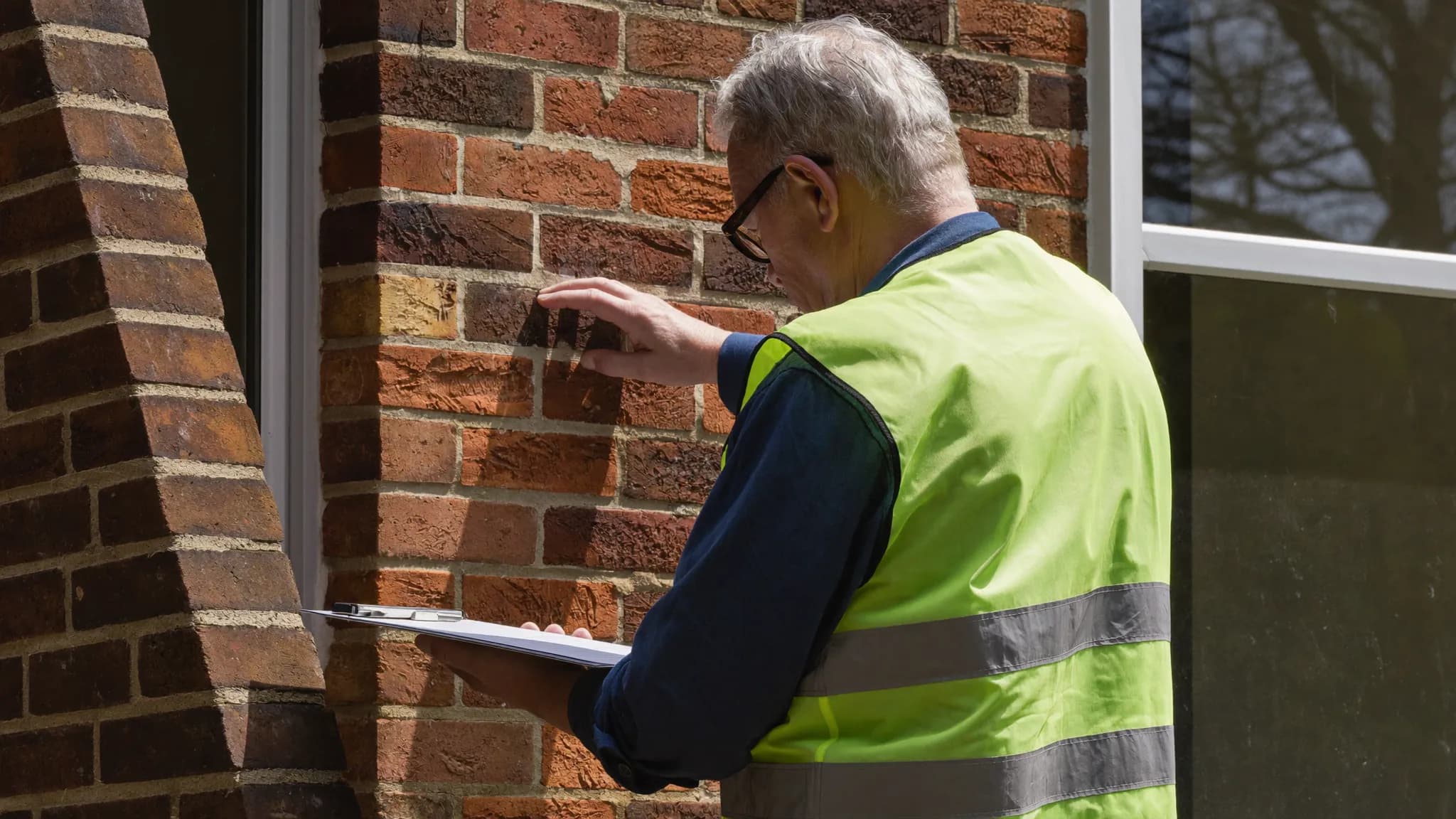
In England and Wales, an offer is not legally binding until contracts are exchanged. GOV.UK says that if you offer 'subject to contract', the price can still be negotiated, for example if a survey finds a problem with the property. You can ask for a lower price, ask the seller to do work before exchange, or walk away. The seller can refuse, and you can lose the house. This is general information about England and Wales, not legal advice. Scotland uses a Home Report arranged by the seller, which is a different process.
What your options are
RICS says a survey is not a legal requirement in England and Wales, but if the report shows deficiencies you should find out how serious they are before you are legally committed. None of the sources below gives a typical repair bill or a typical price reduction, so this article does not either.
- Carry on. You accept the condition and the price. Sensible when the surveyor describes routine maintenance rather than a defect you cannot live with.
- Ask for a lower price. Put the request in writing, through the agent, and keep the sale 'subject to contract'. The seller does not have to agree.
- Ask the seller to fix named items before exchange. Agree what 'fixed' means, and who checks the work. Do not assume a verbal promise will be in the contract.
- Get specialist reports and written quotes before you decide. RICS says that if repairs are needed, get quotes from at least two experienced contractors before you make a legal commitment to buy, and get the quotes in writing.
- Walk away. Before exchange you can usually do that. You will have spent money on the survey, and possibly on searches and legal work, which you do not get back from the seller.
How to read the report
RICS describes three levels of Home Survey, introduced with the Home Survey Standard on 1 March 2021. The right level depends on the age, size, condition and complexity of the property. An RICS member can advise which one fits. This article does not describe a red, amber or green rating system, because the RICS consumer guide read for this piece does not set one out.
- Level 1, previously a Condition Report, describes the condition, risks and urgent defects. It is aimed at conventional, newer homes in good condition and generally does not advise how to manage defects.
- Level 2, previously a HomeBuyer Report, suits conventional homes in reasonable condition. It includes the Level 1 material plus a more extensive roof-space and drainage inspection, and advice on repairs or maintenance. It can be survey-only, or survey plus a market valuation and rebuild figure.
- Level 3, previously a Building Survey, is the most detailed. RICS says to choose it for a large, older or run-down property, an unusual or altered building, or if you are planning major works. It describes repair options and the consequences of not doing them.
A mortgage valuation is not one of these surveys. GOV.UK says the lender values the property before approving the mortgage. RICS says that valuation is for the lender, and that problems which would be costly to put right may not appear in it.
On cost, RICS says Level 1 sits at the lower end, starting at a few hundred pounds, and that some bespoke Level 3 surveys cost over £1,000. The fee depends on the home and the time involved. This article does not turn that into a price list.
Turning the survey into a number
If the report recommends further investigation, RICS says it should describe the part of the building, why a specialist is needed, when the investigation should happen, and broadly who should do it. Hidden areas, or work outside the surveyor's competence, are the usual reasons. The owner has to agree access.
For repairs, RICS says to get at least two written quotes from experienced contractors before you are legally committed, to ask for references, and to write down the work you want. Ask whether the work needs building regulations approval or planning permission. Citizens Advice, in its England guidance on getting work done, says to try to get written quotes from at least three traders, and not to rely on a verbal quote. Take the quotes to the seller's agent in writing, and keep the negotiation 'subject to contract'.
Which problems are normal, and which are not
The RICS guide does not publish a list of defects that are 'normal' for a given age of house, and this article will not invent one. Ask the surveyor, in writing, which items are urgent, which need a specialist, and which are maintenance you could live with. If the report mentions damp, ask what they could and could not see, and whether they want a damp specialist before you treat the comment as a price cut. Do not decide that from a general article.
The risks of renegotiating
Until exchange, the seller can also walk away or accept another buyer. A last-minute price cut from the buyer is often called gazundering. It is not a special legal right. It is a new negotiation while the sale is still subject to contract. Pushing too hard, or too late, can collapse the chain. Read the existing explainers on gazundering and on how chains work before you send the email.
Questions to ask your surveyor and solicitor
- Which findings are urgent, which need a specialist, and which are maintenance?
- What could you not inspect, and what further investigation do you recommend?
- Will this affect a mortgage valuation, or is that a separate question for the lender?
- If we agree a price change or works, what has to be written into the contract before exchange?
- What have I already spent, and what is still at risk if I withdraw before exchange?
A tool that is not live yet
TrueDeed does not yet offer a survey-triage product. The waitlist is for that, not a booking service for surveyors or builders. You can, today, check what similar homes sold for. That is evidence about price, not a valuation and not a comment on the survey.
Join the waitlist for a survey-triage tool. It is not available yet, and it will not replace a surveyor.
Join the waitlistSee what similar homes sold for. The check uses HM Land Registry Price Paid Data and is not a valuation.
Check sold pricesFrequently asked questions
Can I renegotiate after a survey?
In England and Wales, yes, while the sale is still subject to contract. GOV.UK gives a survey finding as an example of why the price can still be negotiated. The seller can refuse.
Is an offer legally binding before exchange?
GOV.UK says an offer is not legally binding in England and Wales until you exchange contracts.
Should I ask the seller to fix problems or reduce the price?
Either can be discussed before exchange. RICS says to get at least two written quotes for repairs before you are legally committed, so you know what you are asking for. There is no rule that one option is always better.
Is a Level 3 survey worth it?
RICS says a Level 3 survey is the most comprehensive option, and the one to consider for a large, older, run-down, unusual or altered property, or if you plan major works. It does not say every buyer needs one. A conventional home in reasonable condition may suit Level 2. The fee varies. RICS says some bespoke Level 3 surveys cost over £1,000, and Level 1 starts at a few hundred pounds.
What if the survey finds damp?
Treat it as a finding to clarify, not as an automatic price cut. Ask the surveyor what was visible, what was not, and whether they recommend a specialist. This article has no sourced figure for how common damp is, or what it costs to remedy.
Can the seller refuse to lower the price?
Yes. Until exchange, neither side is bound. The seller can keep the original price, or sell to someone else.
Drafted with AI assistance, edited and fact-checked by the TrueDeed team. No named specialist has signed this off yet.